
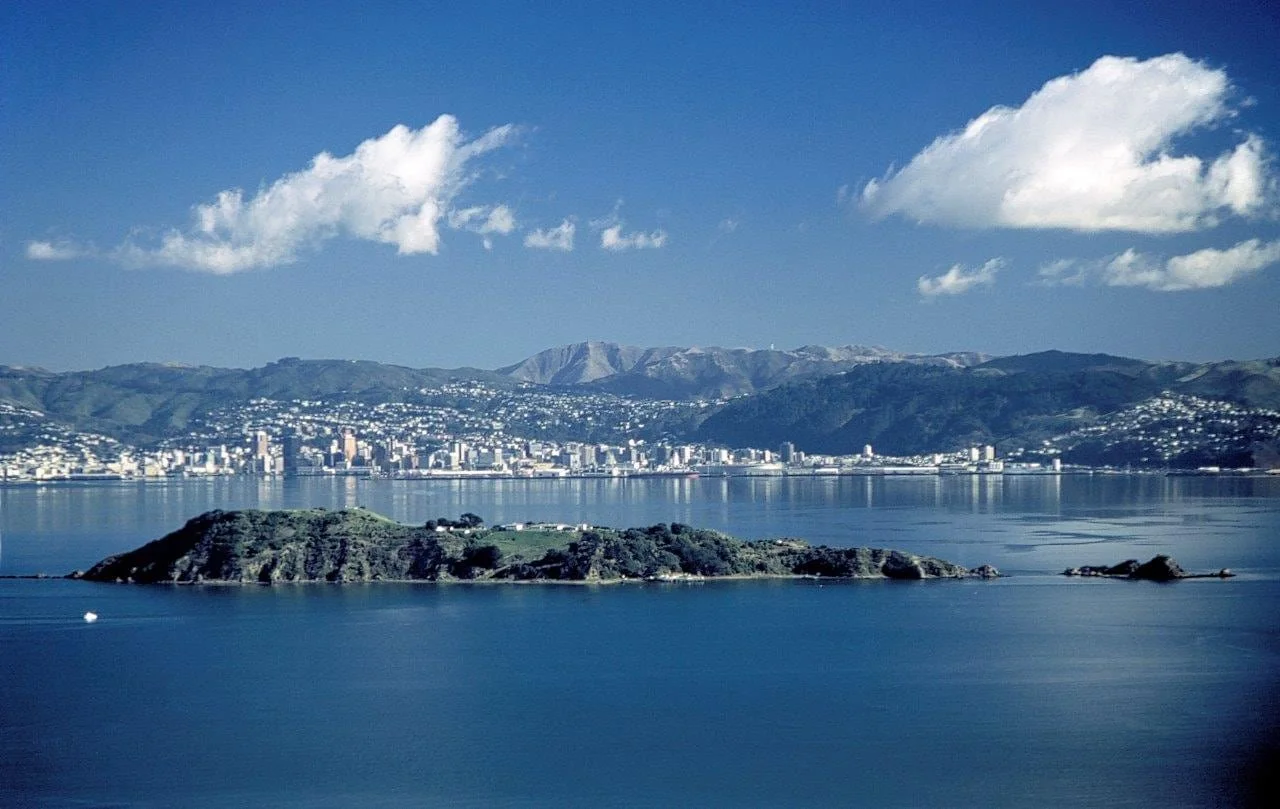
Matiu
Matiu/Somes Island Spatial Plan
Mouri motu, mouri tangata, mouri ora
A culturally grounded, visually compelling, and operationally practical plan
Purpose & Vision
To develop a culturally grounded, visually compelling, and operationally practical spatial plan for Matiu/Somes Island.


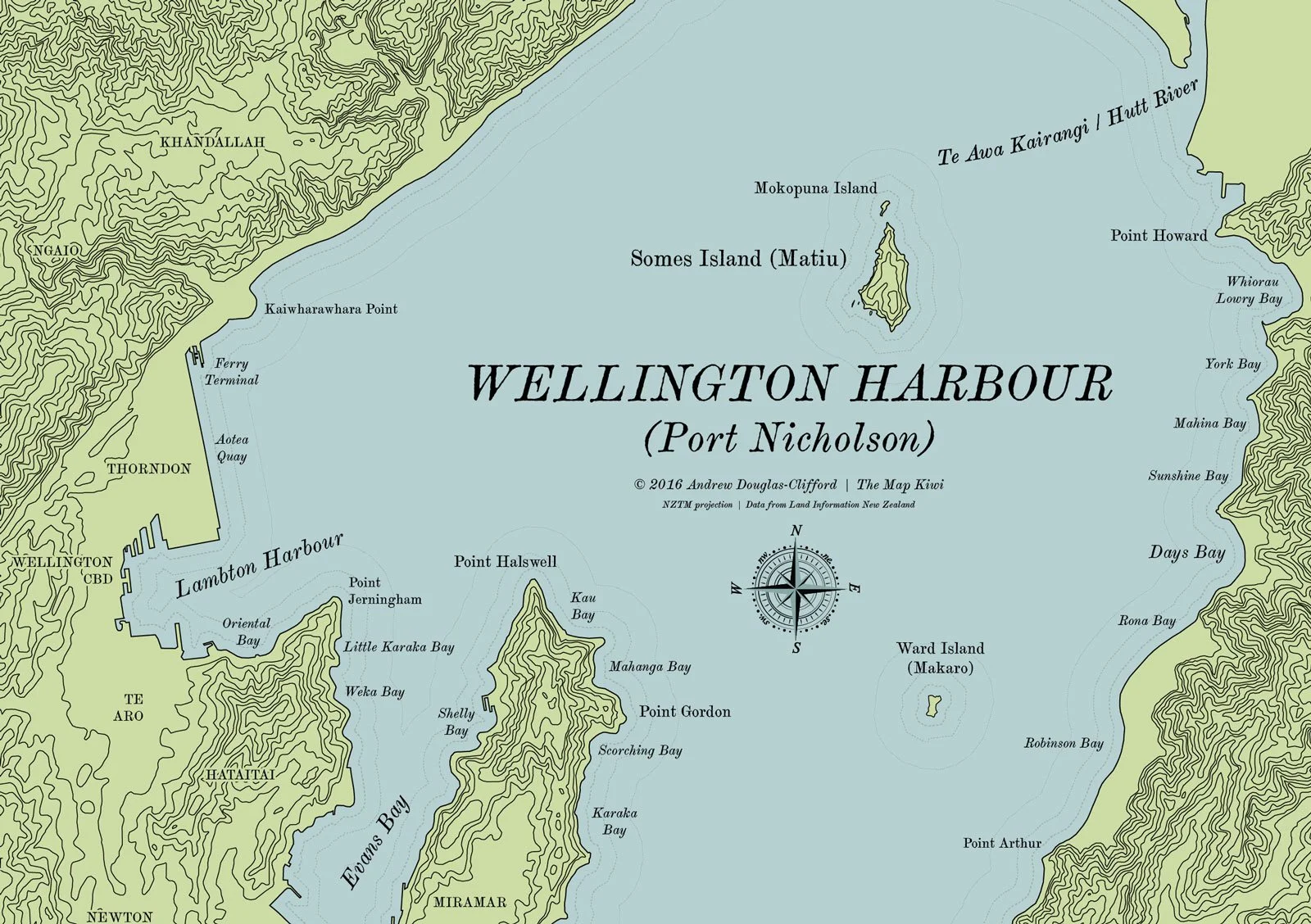
Long before the arrival of human settlers in Aotearoa, the landscape bore witness to dense podocarp forests and a cacophony of birdsong.
This was the scene Kupe encountered when he sailed into Te Upoko o Te Ika 1,000 years ago and saw the fires burning on Motu Kairangi (Watts Peninsula) – evidence of the presence of mana whenua.
Today, Taranaki Whānui ki te Upoko o te Ika are the guardians of Motu Kairangi, which they regard as a tūpuna (ancestor) – an unbroken link to the past and a beacon for the future.
The sacred landmark is part of our Taranaki Whānui Treaty of Waitangi Settlement.
Taranaki Whānui propose that 74 hectares of the land which we know as Mātai Moana is vested as a reserve for the benefit of the nation.
Taranaki Whānui and Wellington City Council would become joint stewards of the whenua and its culturally significant pā and wāhi tapu sites and other historical structures.
Mātai Moana reminds us that when we work in harmony with the land, it will sustain us, as it has done for generations.
By working together, we can uphold the mana and mouri of this scared tūpuna.
To realise our vision for Mātai Moana, we need the support of many, including civic leaders, the people of Te Whanganui-a-Tara, and other partners.
Let us rise to this responsibility and ensure the voice of Mātai Moana is heard for the next 1,000 years.
Through the eyes of our tūpuna, we may see the path forward.